Mile two on the Lakefront Trail, April, and the wind's doing that thing where it can't decide if it's winter or spring. I'm overdressed, I'm underdressed, I'm questioning why I left the apartment. And then "I Melt with You" kicks in and suddenly none of that matters because I'm seventeen again, except this time I'm moving forward instead of standing in a basement wondering if she noticed I changed the tape.
This playlist shouldn't work. Operation Ivy into Modern English into The Cure into The Beat—it's ska-punk meeting jangle pop meeting gothic post-punk meeting 2 Tone. On paper, it's the kind of mix that would get you kicked out of any self-respecting record store's listening station. But here's what the curator understood that most people miss: 1985 didn't happen in genres. It happened in basements and college radio stations and import bins where everything bleeding through the speakers had one thing in common—it refused to sound like the thing that came before it.
The genius of this run is that it treats new wave not as a sound but as an attitude. The Smiths' "How Soon Is Now?" sits between The Beat's nervous ska energy and X's Los Angeles punk poetry, and it works because Morrissey was just as much an outsider as Exene Cervenka, just with different weapons. One used reverb and self-loathing, the other used rawness and rage, but both were trying to say something true about what it felt like to not fit.
Then Descendents show up with "Silly Girl" and the whole thing tilts into melodic hardcore territory. Milo Goes to College is one of those records that makes you realize punk could be smart and fast and heartbroken all at once. I had a kid in the store last month discover Descendents for the first time and he said, "Wait, you can sing about being a nerd?" Yeah. You can. Bill Stevenson and the boys proved it in 1982 and we've been running to it ever since.
By the time Pixies hit with "Wave Of Mutilation - UK Surf," you're deep enough into the run that the strangeness starts to make sense. Black Francis screaming over surf guitar shouldn't work as a running track, but there's something about that relentless chug—produced by Gil Norton, who understood that the Pixies' power was in their refusal to stay in one emotional place for more than thirty seconds—that matches what your body's doing when it's trying to keep pace.
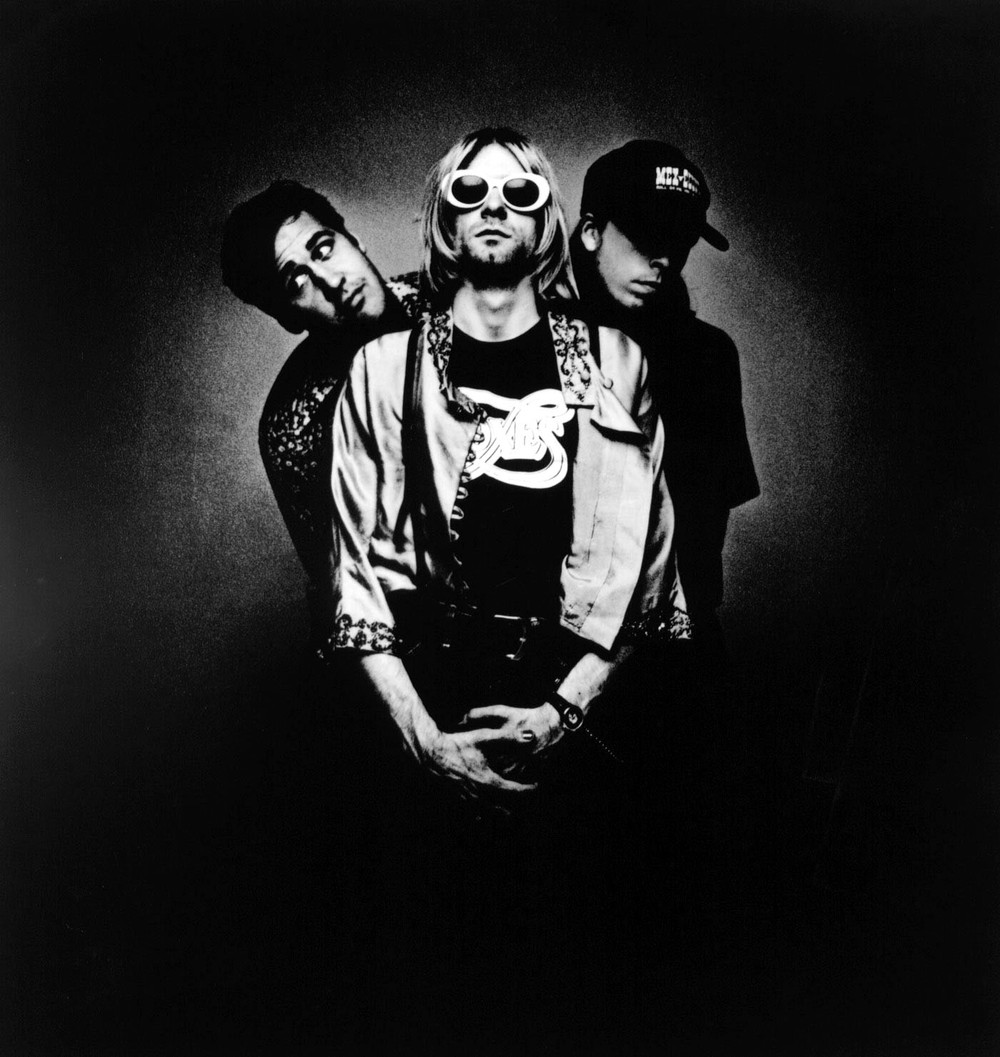
Nirvana's "Love Buzz" comes in right when you need it. This isn't "Smells Like Teen Spirit"—this is the first single on Sub Pop, the Shocking Blue cover that Jack Endino recorded in 1988 when grunge wasn't even a word yet. Kurt's voice hasn't curdled into rage yet. It's still got sweetness in it, still got hope underneath the fuzz. Sub Pop knew what they had. They pressed it on colored vinyl and sent it to every college radio station that would listen.
The Clash's "Rock the Casbah" is the moment where the playlist stops apologizing for being fun. Joe Strummer and Mick Jones wrote it as a joke about the Iranian government banning Western music, and it became one of those songs that's too big to contain its own meaning anymore. Running to it, you're not thinking about geopolitics. You're just moving.
And then the Misfits show up.
"Hybrid Moments" is the Wall Breaker, and if you don't understand why Glenn Danzig's horror-punk love song works at mile seven of a new wave running playlist, you've never actually listened to the Misfits beyond the imagery. This track—recorded in 1985 but not released until the Reel Platinum compilation—is three minutes of doo-wop melody wrapped in distortion and leather jackets. It's the moment where you realize that everyone on this playlist was doing the same thing: taking the past and making it strange enough to matter again.
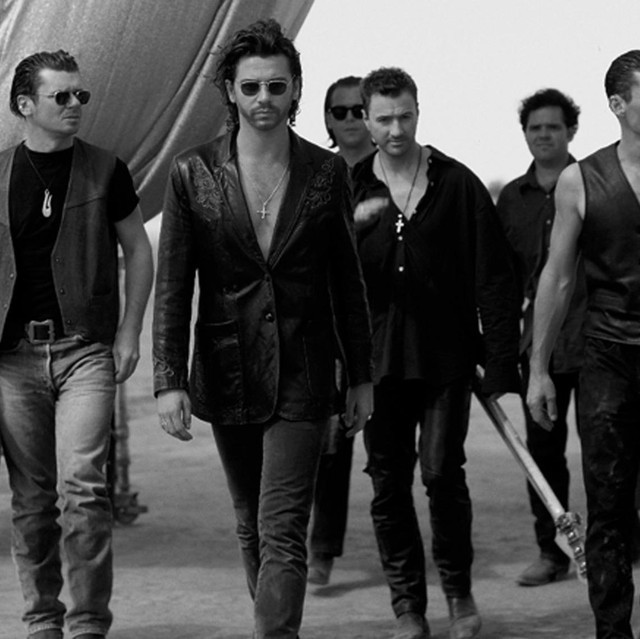
The playlist closes with INXS, The Specials, and Violent Femmes—three bands who sound nothing alike until you realize they're all obsessed with rhythm. Michael Hutchence understood groove the way Jerry Dammers understood offbeat, the way Gordon Gano understood acoustic punk fury. It's not about genre. It's about the refusal to stand still.
When you finish, you're not sure if the run worked or if the music worked or if there's even a difference. The Nike Tailwinds the curator referenced are long gone—they stopped making them in the '80s, though vintage pairs go for stupid money now. But the idea holds: lace up the shoes that make you feel like you're moving through time, not just space. Press play on the music that refused to fit. And see what happens when you stop trying to categorize everything and just let it move through you.
I still don't know if running clears my head. But I know that fifty-two minutes of new wave, post-punk, and hardcore punk makes the trying feel like it matters.