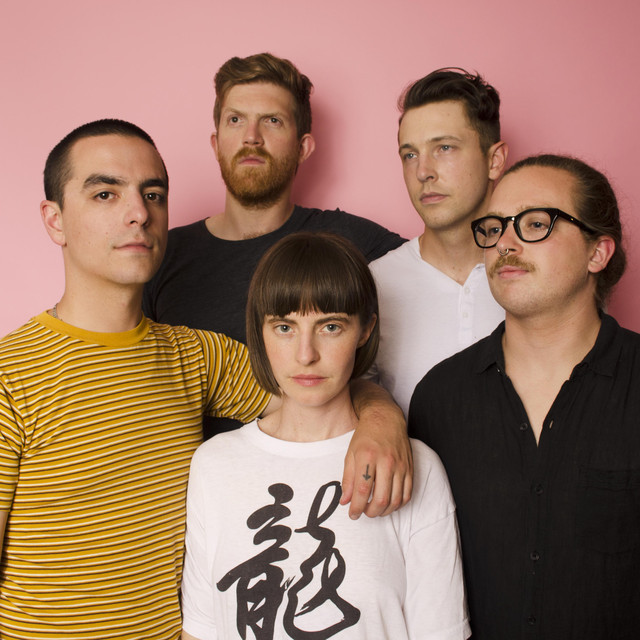
HEARTBEATS playlist cover

HEARTBEATS

Your heart rate is in the band.

HEARTBEATS running playlist: 42 minutes of indie pop at 117 BPM where your pulse becomes part of the arrangement. Wild Ones, Knox Hamilton, and the tempo of clarity.

13 tracks · 42 minutes ·117 BPM ·recovery

117 BPM average — see more 120 BPM songs for recovery runs.

There's a moment around track four where you realize whoever sequenced this knew exactly what they were doing. "Paresthesia" by Wild Ones fades out and Knox Hamilton's "Work It Out" kicks in, and it's not just a transition—it's a thesis statement. This isn't a playlist that pushes you harder. It's a playlist that matches where you already are, physically and otherwise, and then holds you there long enough to figure something out.

117 BPM is the tempo of patience. It's slower than most running playlists, which means you're not being bullied into a pace your body can't sustain. You're being invited to settle into something steady—easy run territory, the kind of effort where your heart rate stays conversational even if your thoughts don't. Wild Ones shows up three times across these thirteen tracks, which tells you something about the architecture here. This isn't genre tourism. It's a curated argument about what indie pop does when it's built for endurance instead of explosions.

The thing about this playlist—and I've been thinking about this since "Cellar Door" hit at track three—is that it's all mids and texture. Graveyard Club, Wildcat! Wildcat!, Sjowgren—these are bands that understand how to layer guitars and synths so the production feels dense but never claustrophobic. You're not getting wall-of-sound anthems. You're getting arrangements where every instrument has space, which means your brain has space too. And when you're running to clear your head—it never works, but you keep trying—space is the whole point.

Knox Hamilton appears twice, and both times it's a pocket of clarity. "Work It Out" at track five and "Pretty Way to Fight" at track seven bracket the middle of the run, the part where you're past the warm-up lies and settling into the real conversation with yourself. These tracks don't resolve anything. They just ask better questions. That's the gap this playlist lives in: between the person you thought you'd be at mile three and the one who's actually breathing hard on the lakefront trail, overdressed for spring, underdressed for the wind off the lake.

By the time Landon Conrath's "2AM" arrives at track ten, you're two-thirds through and the playlist stops being about tempo and starts being about texture. Electric Guest's "Waves" into Mallrat's "Teeth" into Caroline Rose's "Soul No. 5"—that's the final stretch where the playlist reveals what it's been building toward. Not a sprint. Not a collapse. Just a sustained effort where your heart rate stays in the band, part of the arrangement, indistinguishable from the kick drum and the bassline.

I keep coming back to that description: "Your heart rate is in the band." It's not metaphorical. Around 117 BPM, your pulse at easy effort literally syncs with the tempo. You become part of the song structure. And for forty-two minutes, you're not outrunning anything. You're just inside something that holds steady while you figure out what you're doing out here.

Wall Breaker: 2AM

by Landon Conrath

At track ten, two-thirds through the run, "2AM" does what the best wall breaker tracks do: it doesn't change the energy, it clarifies it. Conrath's production is all clean guitar and restrained vocals, which sounds subdued until you realize that restraint is the point. You're deep enough into the run that your heart rate has stopped negotiating—it's just there, steady, part of the rhythm section. This track doesn't ask you to push harder. It confirms that the pace you're holding is exactly right, which at this point in the run is the only permission you need to keep going.

Tracks

  1. 1
    Mr Quiche
    Wildcat! Wildcat!
    3:06 125 BPM
  2. 2
    Golden Twin
    Wild Ones
    3:11 110 BPM
  3. 3
    Work It Out
    Knox Hamilton
    3:26 120 BPM
  4. 4
    Pretty Way to Fight
    Knox Hamilton
    3:23 145 BPM
  5. 5
    Cellar Door
    Graveyard Club
    3:15 100 BPM
  6. 6
    No Money
    Wild Ones
    3:21 105 BPM
  7. 7
    Paresthesia
    Wild Ones
    3:02 120 BPM
  8. 8
    High Beam
    Sjowgren
    4:14 110 BPM
  9. 9
    just cuz you can't
    PRONOUN
    3:15 110 BPM
  10. 10
    2AM
    Landon Conrath
    2:33 130 BPM
  11. 11
    Waves
    Electric Guest
    3:06 120 BPM
  12. 12
    Teeth
    Mallrat
    3:09 100 BPM
  13. 13
    Soul No. 5
    Caroline Rose
    3:09 130 BPM

Featured Artists

Wild Ones
Wild Ones
3 tracks
Knox Hamilton
Knox Hamilton
2 tracks
Graveyard Club
Graveyard Club
1 tracks
Landon Conrath
Landon Conrath
1 tracks
Mallrat
Mallrat
1 tracks
PRONOUN
PRONOUN
1 tracks

FAQ

How should I pace myself running to HEARTBEATS?
Let the Wildcat! Wildcat! Through Graveyard Club opening settle you in without chasing pace. The Wild Ones & Knox Hamilton Core is where you find your rhythm—four tracks that hold 117 BPM steady, which is easy run territory. Don't push through PRONOUN Into Sjowgren; that's where the playlist gets introspective and your breathing should stay conversational. Landon Conrath at track ten confirms your pace. The Electric Guest to Caroline Rose finish sustains instead of sprinting.
What kind of run is this playlist designed for?
This is an easy run playlist, forty-two minutes at conversational effort. It's not for tempo work or race prep. It's for the kind of run where you're trying to clear your head—it never works, but the music holds space for the attempt. Ten to fifteen miles a week, weekend warrior territory, the run where you're stealing a moment from work and chaos and just trying to stay steady.
Why is the BPM so much slower than other running playlists?
Because 117 BPM isn't about pushing harder—it's about matching where your heart rate naturally sits during easy effort. Most running playlists bully you into unsustainable pace. This one syncs with your pulse and holds you there, which builds endurance and patience instead of exhaustion. Your heart rate becomes part of the arrangement. That's not metaphorical. At this tempo, you're literally inside the rhythm section.
What's the key moment in this playlist?
Track ten, Landon Conrath's "2AM." It's isolated at two-thirds through the run, right when you need confirmation that the steady pace you're holding is exactly right. The production is clean guitar and restrained vocals—no drama, no push, just clarity. It's the wall breaker that doesn't break anything. It clarifies instead, which at that point in the run is more useful than adrenaline.
Why does Wild Ones appear three times on a thirteen-track playlist?
Because Wild Ones understands how to build dense, textured indie pop that doesn't collapse into claustrophobia. "Golden Twin" at track two, "Paresthesia" at track four, "No Money" at track six—they're not filler, they're architecture. This playlist isn't genre tourism. It's a curated argument about sustained effort, and Wild Ones is the through-line that holds the whole thing together. You need recurring themes when you're trying to stay steady for forty-two minutes.
Does this playlist work for shorter or longer runs?
Forty-two minutes is the sweet spot—5K to 10K territory depending on your pace. You could loop it for a longer run, but the structure is built for a single listen: opening warmup, sustained middle, textured finish. For shorter runs, start at track four and you'll hit the core faster. For longer, queue it twice and notice how the second loop feels different once your legs remember what the first one asked.